




Self-Managed Servers
What is a dedicated server?
Learn what a dedicated server is, how it works, and when to choose dedicated hosting. Explore benefits, use cases and performance advantages for your business.
A dedicated server is a physical machine used exclusively by one customer, providing full access to its hardware and resources. Unlike shared hosting, it offers isolated performance, enhanced reliability and complete administrative control. This makes it ideal for businesses that need consistent power, advanced configuration options and secure, enterprise-grade hosting.

Understanding dedicated servers becomes crucial when your business outgrows shared hosting solutions. These robust systems serve as the foundation for high-traffic websites, resource-intensive applications and businesses requiring enhanced security protocols. This comprehensive overview explores everything South African businesses need to know about dedicated server hosting, from fundamental concepts to practical implementation strategies.
A closer look at dedicated servers
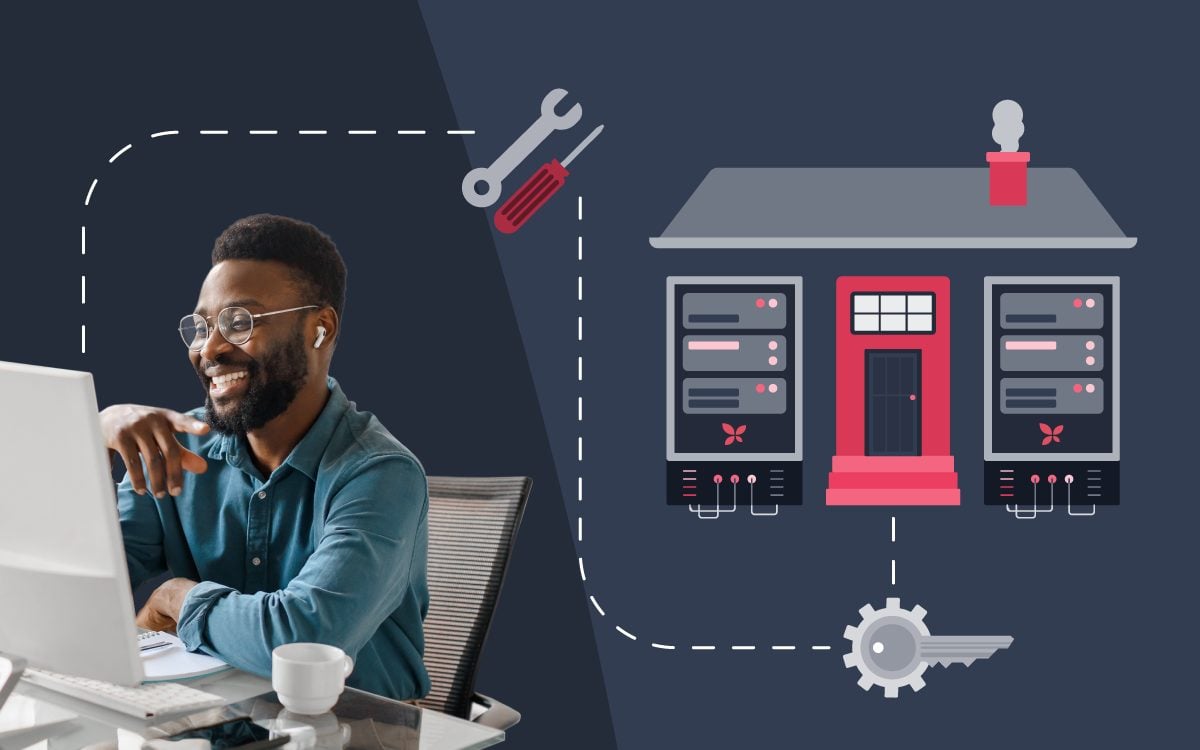
A dedicated server is a physical computer exclusively allocated to a single customer, providing complete access to all server resources, including processing power, memory, storage, and network connectivity. Think of it like owning a house versus a flatshare. With a dedicated server, you own the entire property and control every aspect of its operation.
The term “bare metal server” refers to this physical hardware foundation. Unlike virtual servers that share underlying hardware resources, bare metal dedicated servers provide direct access to the physical components. This exclusivity eliminates the performance variability common in shared hosting environments, where other users’ activities can impact your website’s performance.
Key characteristics of dedicated servers include:

Exclusive resource allocation
All CPU cores, RAM, storage capacity and bandwidth belong solely to your applications

Physical hardware control
Direct access to server components without virtualisation layers

Administrative privileges
Complete root or administrative access to configure the server environment

Isolated environment
Your data and applications remain completely separate from other users
Self-Managed Dedicated Servers offer the highest level of control, allowing you to install custom software, configure security protocols and optimise performance according to your specific requirements. This approach suits businesses with technical expertise who want maximum flexibility in their hosting environment.
For South African businesses evaluating hosting options, dedicated servers provide the performance and reliability needed for professional websites and applications. The exclusive nature of these systems ensures consistent performance, regardless of external factors that affect shared hosting environments.
How do dedicated servers work?
Dedicated servers operate within secure data centres that house your physical hardware in professionally managed facilities with redundant power supplies, climate control and network connectivity. These data centres provide the infrastructure foundation that makes remote server management possible for businesses across South Africa.

Hardware
The hardware architecture of a dedicated server includes several key components that work together to deliver computing power. The central processing unit (CPU) handles all computational tasks, while random access memory (RAM) provides temporary storage for active applications and data. Storage drives, whether traditional hard disk drives (HDD) or solid-state drives (SSD), store your website files, databases, and applications permanently.

Connectivity
Network connectivity forms the bridge between your server and the internet. Dedicated servers typically include substantial bandwidth allocations, ensuring fast data transfer rates for website visitors and applications. This connectivity operates through redundant network paths, minimising the risk of service interruptions.

Operating system
Operating system control represents one of the most significant advantages of dedicated hosting. Unlike shared hosting, where the provider manages the operating system, dedicated server clients can choose and configure their preferred system. Whether selecting Linux distributions like Ubuntu or CentOS, or Windows Server editions, this choice allows control over everything from security protocols to software compatibility.

Remote management
Remote management capabilities enable server administration from anywhere with internet access. Through secure connection protocols, administrators can install software, configure settings, monitor performance and perform maintenance tasks without physical access to the hardware. This remote access makes dedicated servers practical for businesses regardless of their physical location relative to the data centre.
The setup process typically involves selecting hardware specifications, choosing an operating system and configuring initial security settings. Most providers offer remote management interface access to streamline these tasks, though self-managed solutions require technical knowledge to implement effectively.
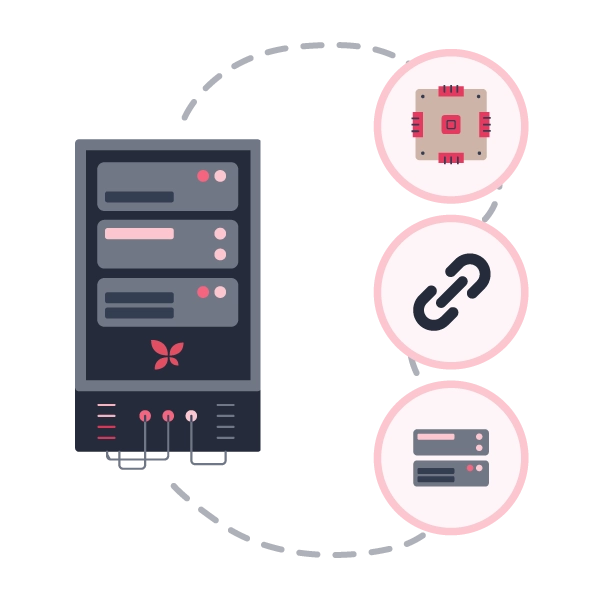
Installation and configuration responsibilities are divided between the hosting provider and the customer.
Hosting provider’s responsibility
- Hardware provisioning
- Network connectivity
- Basic server delivery

Your responsibility
- Operating system configuration
- Software installation
- Security and ongoing maintenance
For businesses considering this hosting approach, understanding these operational aspects helps set realistic expectations about management requirements and technical responsibilities.
Key benefits of dedicated servers
Dedicated servers deliver compelling advantages that justify their premium pricing for businesses with demanding hosting requirements. These benefits extend beyond simple performance improvements to include security, reliability and scalability considerations that impact long-term business success.

Performance
Superior performance and resource availability top the list of dedicated server advantages. With exclusive access to all server resources, applications run without competing for CPU cycles, memory, or storage capacity. This exclusivity translates to faster loading times, improved application responsiveness, and consistent performance during traffic spikes.
Performance improvements become particularly noticeable for resource-intensive applications such as e-commerce platforms, content management systems with large databases, or custom business applications. Studies show that dedicated hosting can improve website loading times by 40 – 60% compared to shared hosting solutions, directly impacting user experience and search engine rankings.

Security
Enhanced security and data isolation provide peace of mind for businesses handling sensitive information. Unlike shared hosting, where security vulnerabilities in one account can potentially affect others, dedicated servers maintain complete isolation between clients. This separation means your security protocols, access controls, and data remain completely separate from other users.
The ability to implement custom security measures becomes crucial for businesses with specific compliance requirements. Whether installing specialised firewall software, configuring intrusion detection systems, or implementing custom encryption protocols, dedicated servers provide the administrative access necessary for comprehensive security management.

Customisation
Complete customisation and control enable businesses to optimise their hosting environment for specific requirements. From choosing operating systems and installing custom software to configuring performance parameters and security settings, dedicated servers provide unlimited flexibility in server management.
This control extends to software selection, allowing installation of applications that might not be available in shared hosting environments. Businesses can run multiple websites, install custom databases, or deploy specialised applications without restrictions imposed by shared hosting limitations.

Scalability
Scalability and growth accommodation ensure that the hosting infrastructure can evolve with business requirements. While shared hosting often requires migration to different hosting types as businesses grow, dedicated servers can be configured with additional resources to handle increased demands.
The scalability advantage becomes particularly relevant for growing businesses that experience gradual increases in website traffic or application usage. Rather than experiencing performance degradation as demands increase, dedicated servers can be optimised to maintain optimal performance levels.

Reliability
Reliability and uptime guarantees reflect the professional-grade infrastructure supporting dedicated hosting. With exclusive access to server resources and professional data centre management, dedicated servers typically achieve higher uptime percentages than shared hosting solutions.
Business continuity depends on consistent website availability, making reliability a critical factor in hosting decisions. Dedicated servers eliminate many common causes of downtime associated with shared hosting, such as resource or server overloading.
For South African businesses evaluating these benefits, dedicated servers represent a significant step forward in hosting sophistication and capability. The investment in dedicated hosting pays dividends through improved performance, enhanced security and greater operational flexibility.
When do you need a dedicated server?
Determining the right time to invest in dedicated hosting requires evaluating several business and technical factors. Understanding these indicators helps businesses make informed decisions about when dedicated servers become necessary rather than simply desirable.
The decision to upgrade to dedicated hosting should align with business objectives rather than reactive responses to hosting problems. Proactive planning ensures smooth transitions and optimal server configurations from the outset.
Dedicated server costs and considerations
Understanding the complete cost structure of dedicated hosting helps you budget effectively and evaluate the return on investment. Dedicated server pricing extends beyond monthly hosting fees to encompass additional services, management costs, and long-term ownership considerations.

Server pricing ranges and tiers vary significantly based on hardware specifications and performance requirements. Entry-level dedicated servers with basic processors, limited RAM, and standard storage typically start around R2,000 – R4,000 monthly for South African providers. Mid-range servers with enhanced processors, increased memory, and faster storage range from R4,000 – R8,000 monthly.
High-performance dedicated servers with powerful processors, substantial RAM allocations, and premium storage solutions can cost R8,000 – R15,000 or more monthly. These servers suit resource-intensive applications, high-traffic websites, or businesses requiring maximum performance capabilities.

Hardware specification impact on cost follows predictable patterns. Processor upgrades, additional RAM, faster storage drives and enhanced network connectivity each contribute to monthly pricing. Understanding these relationships helps you optimise configurations for specific requirements without unnecessary expenses.
The choice between traditional hard drives and solid-state drives significantly affects both performance and pricing. While SSD storage costs more initially, the performance improvements often justify the investment for businesses prioritising speed and responsiveness.

Software licensing represents a significant consideration for Windows-based servers or specialised applications. These costs can add hundreds of rands monthly to total expenses, particularly for enterprise-grade software solutions.

Additional service costs can substantially impact total ownership expenses. Bandwidth allocations, backup services, additional IP addresses, and enhanced security features typically involve separate charges. These services, while optional, often become necessary for comprehensive hosting solutions.
Total cost of ownership considerations extend beyond monthly hosting fees to include management expenses, software licensing and operational costs. Self-managed servers require internal staff time for administration, while managed services include these costs in monthly pricing.
ROI and business value assessment help justify dedicated hosting investments by quantifying benefits. Improved website and application performance, enhanced security and increased reliability contribute to business value through better customer experiences, reduced downtime costs and enhanced professional credibility.
For e-commerce businesses, the relationship between server performance and sales conversion becomes directly measurable. Studies indicate that website loading speed improvements can increase conversion rates by 10 -15%, potentially offsetting dedicated hosting costs through increased revenue.
Budget planning guidance suggests allocating 10 – 20% above base server costs for additional services and unexpected requirements. This buffer accommodates backup services, security enhancements, or hardware upgrades that become necessary over time.
Value proposition analysis for South African businesses should consider local hosting advantages, including reduced latency for local visitors, data sovereignty compliance, and local currency pricing stability. These factors can provide additional value beyond pure technical specifications.
Money-saving strategies for dedicated hosting:

Start with appropriate specifications rather than over-provisioning

Choose self-managed options if technical expertise is available

Evaluate actual usage patterns before adding premium services

Consider long-term contracts for pricing stability
Understanding these cost considerations enables informed decision-making about dedicated hosting investments, ensuring that businesses select solutions providing optimal value for their specific requirements and budget constraints.
Why choose an xneelo Self-Managed Dedicated Server
Xneelo’s combination of technical excellence, local expertise, and comprehensive support makes dedicated server hosting accessible and effective for South African businesses seeking premium hosting solutions with complete control over their digital infrastructure.
Product and service benefits specific to South African businesses include:
- High-performance bare metal servers with the latest hardware components for optimal performance
- Flexible configuration options allowing customisation to match specific business requirements
- Robust network infrastructure ensuring reliable connectivity and data transfer capabilities
- 24/7 technical support assisting with hardware issues and infrastructure concerns
- Competitive pricing designed specifically for South African market conditions and currency stability
Market advantages that distinguish xneelo’s dedicated hosting include local expertise in South African business requirements, data sovereignty compliance, established reputation in the local hosting market and scalable solutions supporting growth from small businesses to enterprises.
Clear next steps for businesses considering xneelo’s dedicated servers:
- Compare server specifications using the detailed comparison tool to identify optimal configurations
- Consult with our support team for recommendations based on your business requirements
- Start your dedicated server journey with confidence in local support and comprehensive resources
Xneelo’s combination of technical excellence, local expertise, and comprehensive support makes dedicated server hosting accessible and effective for South African businesses seeking premium hosting solutions with complete control over their digital infrastructure.