





Domains
What is a domain name?
An easy-to-understand explanation of what a domain name is, how it works and how it’s structured.
A domain name is your website’s address on the internet. It’s what people type into their browser to find your online presence. It functions as a human-readable address that helps people locate a website.
Domain names play a crucial role in accessing websites. They translate the complex numerical IP addresses that computers use into human-friendly text, making it easy for people to find and remember your site.
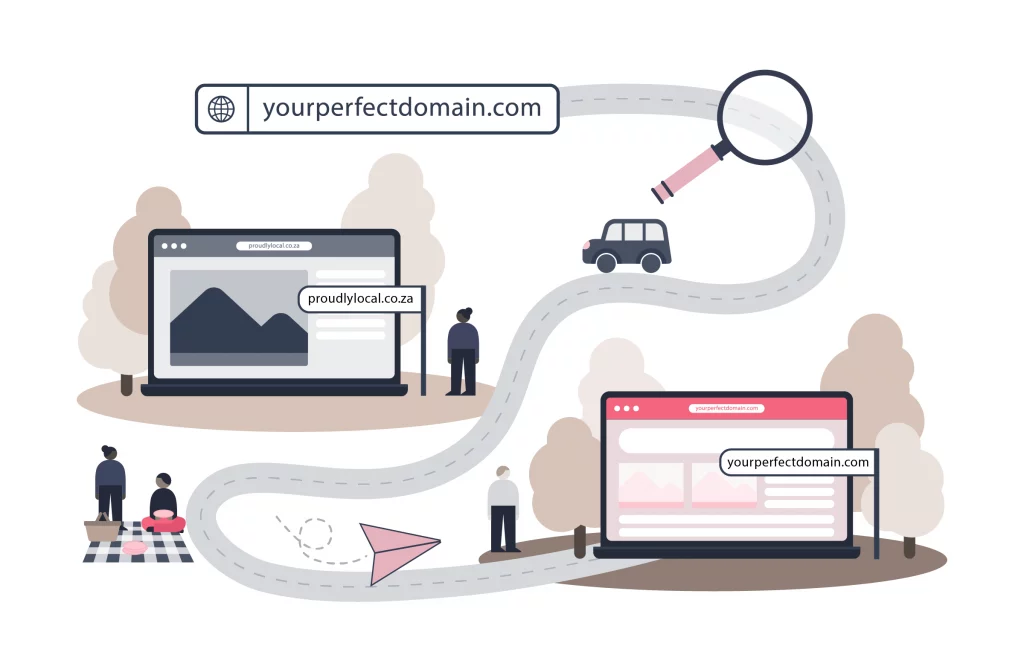
Understanding a domain name’s structure is key to understanding its function in the online world. Let’s break down the components to see how they work together.
The anatomy of a domain name
A domain name consists of several parts, each with a specific purpose:

Subdomain
This is optional and appears before the primary domain name, such as “blog” in “blog.example.com”.

Second-level domain
This is the unique part of your web address, typically your business or brand name.

Top-level domain (TLD)
The text following the dot, such as “.com” or “.co.za”.
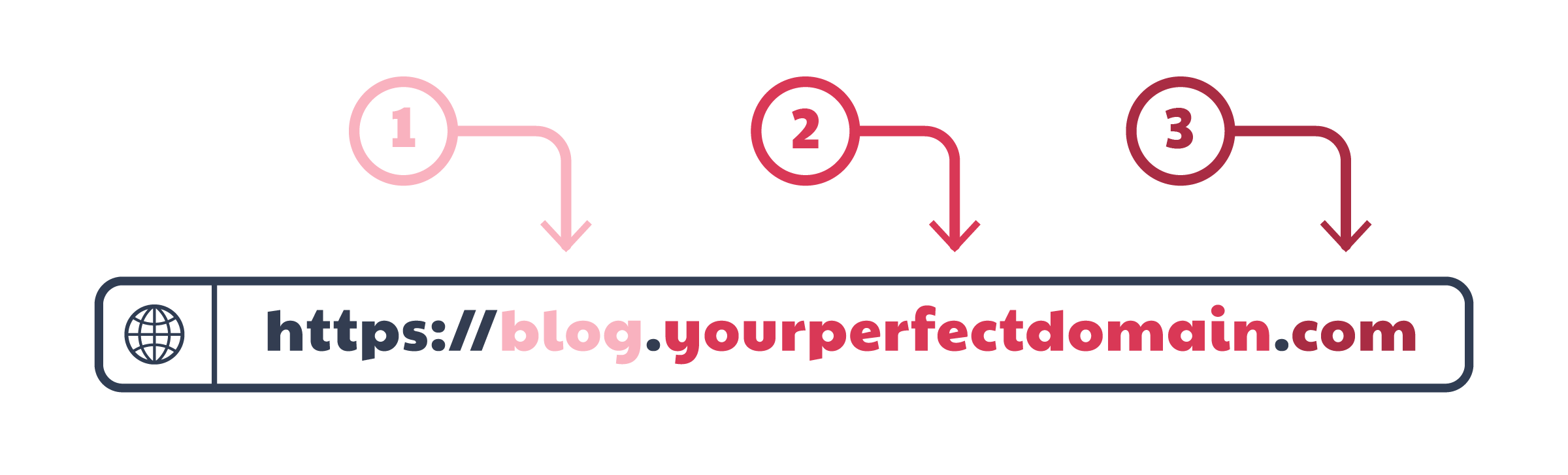
These components work together to create a unique identifier for your website. It’s helpful to understand the structure of domains as we dive deeper into how they work in the broader internet ecosystem.
To explore available domain names, visit the domains page.
How domain names work
The Domain Name System (DNS) is the backbone of how domain names work. It’s essentially the internet’s phonebook, translating domain names into IP addresses that computers can understand.
Key areas of DNS include:
Name servers
These are specialised computers that store DNS records.
Registrars
Organisations authorised to manage the reservation of domain names.
Here’s what happens when you type a domain name into your browser:
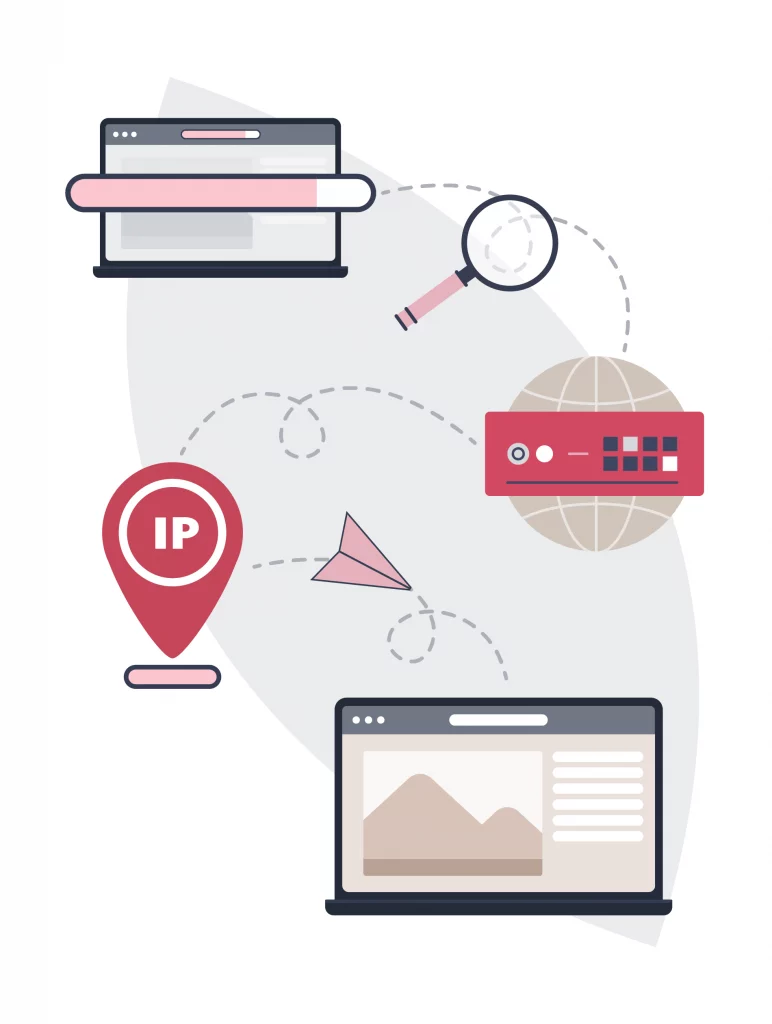
Your browser asks a DNS server for the IP address linked to the domain.

The DNS server looks up the IP address and returns it to your browser.
Your browser uses this IP address to connect to the website’s server.
The server sends the website content back to your browser.
This process happens in milliseconds, seamlessly connecting you to websites around the world.
Reliable hosting solutions for your domain.
Types of domain names
There are different types of domain names, each serving a specific purpose:
Generic top-level domains (gTLDs)
Common extensions such as .com, .org, and .net
Country code top-level domains (ccTLDs)
Linked to specific countries or regions, such as .co.za, .uk, or .de
Specialised top-level domains:
Extensions associated with industries or use cases, such as .tech, .store, or .app
These categories help organise the domain name system and provide context about a website’s purpose or geographic association.
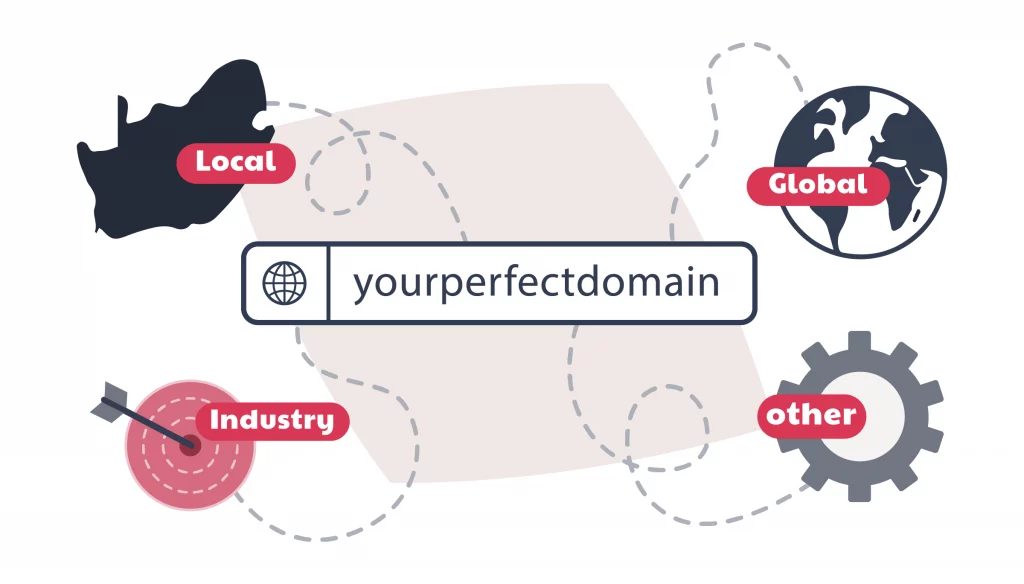
The type of domain you choose can significantly impact your business presence online. For guidance on selecting a domain name, see:
Where domain names are used
Domain names are used to access websites, send and receive email, and connect to other online services. They provide a consistent, human-readable way to locate resources on the internet without needing to remember numerical IP addresses.
Common domain name questions
Here are answers to frequently asked questions about domain names: