





Web Hosting
Understanding the true costs of web hosting
Here’s what to consider to find a cost-effective solution that meets your needs without compromising essentials. Understanding the true cost of web hosting helps you make an informed decision.
Web hosting costs can vary depending on the type of hosting, server resources, storage, bandwidth, security features, support, and add-ons included in a package. This guide explains what affects web hosting pricing, how hosting costs are structured, and which technical factors can influence the price difference between hosting options.

Web hosting pricing factors explained
When shopping around for affordable web hosting options, it’s good to understand what you’re paying for – beyond the monthly subscription. Web hosting prices are determined by specific resources and features directly impacting your website’s performance and capabilities. Let’s take a look at some of the fundamental components that influence the price of any hosting package:
Type of hosting
Hosting type is one of the main factors that influences web hosting pricing. Different hosting environments allocate server resources in different ways, which affects cost, performance, and control.

Shared hosting (R100-R400 per month):
A popular and cost-effective option where server resources are distributed across multiple websites. Commonly used for smaller websites, blogs, and informational websites with moderate traffic. Occasional resource fluctuations may occur during peak times, but most websites perform well in this environment.
VPS hosting (R200-R800 per month):
Gives your website dedicated resources that aren’t shared with other customers. This means more consistent performance even during busy periods. It generally supports websites that need more consistent resources than shared hosting can provide. The stable performance, regardless of other website activity, explains the higher price point.


Dedicated hosting (R1,000+ per month):
An entire physical server exclusively for your website, offering maximum performance, control, and security. The premium price reflects the dedicated hardware and higher resource allocation. It is generally used for high-traffic websites, complex applications, or environments with specific technical or compliance requirements.
Cloud hosting (R600+ per month):
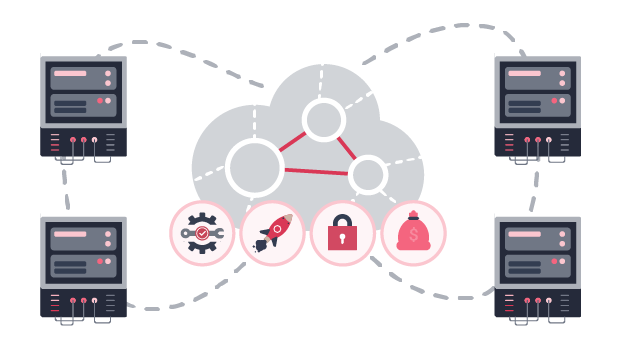
Distributes your website across multiple interconnected servers, providing superior scalability and reliability. Resources automatically adjust based on your traffic needs, making it ideal for websites with fluctuating visitor numbers or businesses expecting growth. Pricing usually reflects flexible resource allocation, scalability and built-in redundancy.
Technical factors that influence hosting costs:
Beyond the hosting type, several technical specifications and service elements affect the final price you’ll pay:

Storage
Refers to the allocated disk space for your website files and databases. Basic sites need around 5-10GB, while media-rich ones require more. SSD storage costs more than HDD but delivers faster performance and a better user experience.

Traffic
Also known as bandwidth refers to the amount of data your website can transfer monthly. Higher traffic requires more bandwidth, which can lead to increased costs. Be cautious of “unlimited” bandwidth claims, and read the fair usage policies.

Processing power (CPU & RAM)
Determines your website speed and concurrent user capacity. Increased power costs more but will improve performance. Keep in mind that with shared hosting, you can’t choose how much CPU or RAM your site gets.

Basic security features
Should be standard, but advanced security is often available for an additional fee. Never compromise on essential security, regardless of your budget.

Technical support
And quality thereof varies across providers. Support levels can influence hosting costs. Some packages include standard support, while others charge more for faster response times, specialist assistance, or extended availability.

Contract length
Will affect pricing, with longer commitments often offering discounts. In contrast, month-to-month contracts provide flexibility for changing business needs.

Domain registration
Some providers include a free domain for the first year but factor in annual renewal costs (R150-R300) for your long-term budget. Renewal costs vary based on extensions (.com, .co.za, etc).

Additional features
Features like automated backups, SSL certificates, email accounts, and development tools may be included in your package or charged separately. Add-ons can affect the total cost of hosting. It is useful to understand which features are included by default and which are charged separately.
Understanding these factors will help you decide which hosting type – shared, VPS, or dedicated – offers the right balance of resources for your specific website needs and budget.
Understanding the total cost of web hosting
The advertised monthly price does not always reflect the full cost of web hosting. Renewal pricing, add-ons, storage limits, bandwidth usage, support levels, and future scaling requirements can all affect the total amount paid over time.
Understanding these cost components makes it easier to compare hosting prices accurately.

Assess current and future needs
Consider your future needs and choose a hosting plan that supports your expected growth over the next 12 to 24 months. This approach will help you avoid the disruption and costs associated with frequent upgrades and prevent overpayment for unnecessary resources.

Calculate total ownership costs
The advertised monthly fee often doesn’t reveal the whole picture; understand renewal rates, domain registration renewals, essential add-ons, and potential scaling costs to grasp the true financial commitment.

Evaluate reliability against cost savings
Cheaper hosting typically comes with lower uptime guarantees and fewer redundancy systems. Consider the impact of even brief periods of website unavailability. For e-commerce or lead-generation sites, the cost of downtime can quickly exceed the savings from budget hosting.

Consider technical support requirements
If you don’t have in-house technical expertise, responsive, knowledgeable support becomes essential during website issues. The difference between basic email support and 24/7 expert assistance can significantly impact your business operations during critical periods.

Prioritise performance
Website loading speed affects user experience, conversion rates, and rankings. Spending more on hosting that provides fast performance can lead to positive returns through better business results.
By balancing your business needs against technical requirements, you can choose a hosting solution that delivers real value – the perfect blend of affordability and performance for your unique situation.
Evaluating hosting package add-ons: What’s worth the cost?
After assessing core hosting costs, you’ll encounter various optional extras or add-ons – supplementary features and services that hosting providers offer beyond their standard packages. Hosting add-ons are optional or bundled features that can affect the total cost of a hosting package. Some are included as standard, while others are charged separately. Understanding what each add-on does helps explain why hosting prices can differ between providers and packages.
Common add-ons: Value assessment
Hosting providers frequently offer these popular add-ons, but their value varies significantly depending on your website needs and goals.
SSL certificates
While free certificates (Let’s Encrypt) work well for most websites, premium certificates with extended validation might benefit e-commerce sites where visible security indicators can increase conversion rates. The cost impact is usually around R300-R1,500 annually.
Automated backups
Regular backups are essential, but consider whether you need daily backups (crucial for frequently updated sites) or if weekly backups are sufficient. Many hosts charge based on frequency and retention period. The cost impact is R50-R200 monthly.
Content Delivery Network (CDN)
CDN distributes your website across multiple global servers, significantly improving loading speeds for international visitors. It is worth the investment for websites targeting global audiences or media-heavy sites. The cost impact is R100-R500 monthly.
Email hosting
While basic email accounts are typically included, premium email features like more extensive storage, advanced spam filtering, and collaboration tools often cost extra. Consider if these justify the cost or if a separate email provider offers better value. The cost impact is R50-R150 monthly per user.
Hidden value add-ons
These less-promoted features often deliver exceptional returns on investment by addressing critical website functions that significantly impact performance and security.
Server-level caching
Often overlooked but can dramatically improve website performance by reducing database queries and processing time. This inexpensive add-on delivers significant speed improvements – generally costing around R30-R100 monthly.
Malware scanning and removal
Regular security scanning can identify problems before they impact your website or customers. The automatic removal feature is particularly valuable if you lack technical expertise – generally costing around R50-R200 monthly.
Staging environments
This lets you test website changes before deploying them publicly, reducing the risk of costly mistakes or downtime. They are particularly valuable for e-commerce or lead-generation websites, generally costing around R50 – R150 monthly.
Add-ons to approach cautiously
While potentially helpful in specific scenarios, these commonly offered extras frequently cost more than the value they provide for most website owners.
“Unlimited” resource upgrades
Packages advertising “unlimited” features typically have hidden limitations in their terms of service. Defined resource allocations often provide better value and transparency.
Priority support upgrades
Verify what ‘priority’ actually means. Reduced wait times should be quantified (e.g., “response within 15 minutes” rather than just ‘priority’). The cost impact is R50-R200 monthly.
When evaluating any add-on, calculate its annual cost and weigh it against the business value it provides for your website. The most cost-effective approach is often selecting a hosting package with essential add-ons bundled rather than purchasing them separately.
Balancing affordability and quality in web hosting
Web hosting pricing is shaped by the type of hosting, server resources, storage, bandwidth, security features, support, contract terms and optional add-ons.
By understanding these pricing factors, website owners can better compare hosting packages and identify which costs are essential, optional, or likely to increase over time
Now that you understand what affects hosting costs, you can compare hosting packages and features in more detail.