





Domains
How to choose a domain name
Choosing the right domain name is crucial in establishing your online presence. It’s often the first interaction potential customers have with your business, and it can significantly impact your brand’s visibility and credibility.
We will walk you through the key considerations when choosing a domain name, from understanding its importance to avoiding common pitfalls. Whether you’re launching a new website or reconsidering your current domain, you’ll find practical advice to help you make an informed decision. Let’s explore how to choose a domain name that will set your business up for online success.
If you’d like to understand how domain names work before choosing one, see: → What is a domain name
Why your domain name matters
Your domain name is more than just a web address; it’s the digital foundation of your business. As the first thing many potential customers will encounter, it plays a crucial role in shaping their perception of your brand.
The right domain name can:

Make a lasting first impression

Boost brand recognition and recall

Establish credibility and professionalism
Domain names that are clear, relevant and easy to remember can improve how users find and return to your website.

When comparing domain names, the difference is clear:
Good Domain
shop.co.za
techguru.com
Poor Domain
buy-stuff-here-now-123.net
best-it-solutions-2024.biz
A strong domain name sets the stage for your online success. Let’s explore what makes a domain name effective.
Elements of an effective domain name
Now that you understand the importance of a good domain name, let’s break down the characteristics that make a domain name stand out:
Short and simple

Easy to remember and pronounce
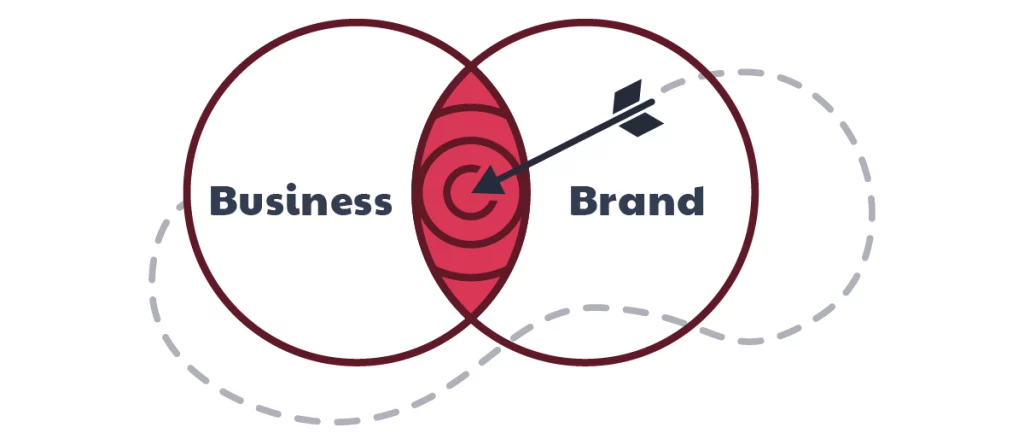
Relevant to your business or brand

Free of numbers or hyphens
Shorter domain names are generally easier to remember and type. Numbers and hyphens can make domain names harder to communicate and recall.
Your domain should be easy to pronounce and spell, which will help with word-of-mouth marketing and ensure customers can find you easily online.
Relevance is key. Your domain name should reflect your business, brand, or the products and services you offer. A relevant domain name assists in brand recognition and can even boost your Search Engine Optimisation (SEO) efforts.
Because domain names are used consistently over time, choosing one that remains relevant and clear is important.
Choosing the right domain extension
Selecting the appropriate domain extension is crucial for your online identity. Here’s a breakdown of standard options:
Generic top-level domains (gTLDs)
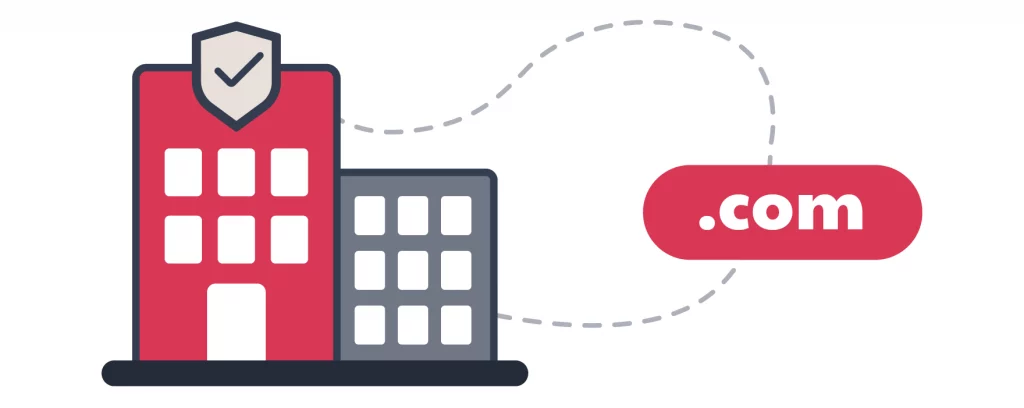
.com
Ideal for commercial entities
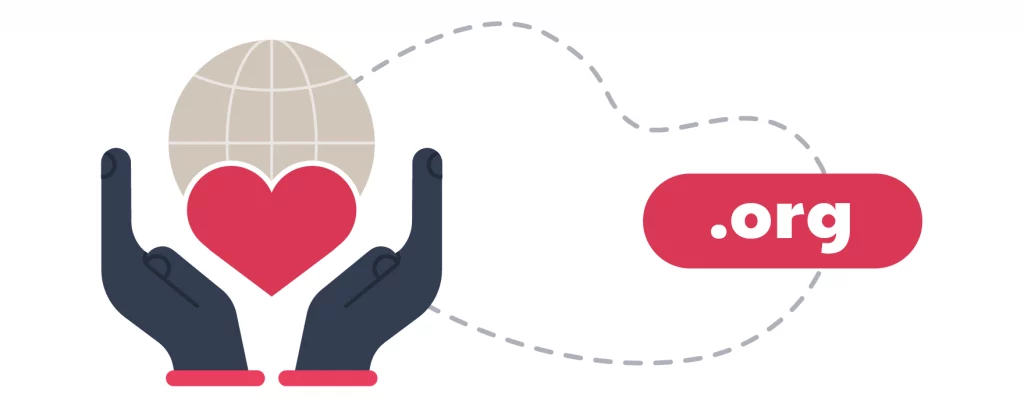
.org
Typically used by non-profit organisations

.net
Often chosen by IT-related businesses
Country code top-level domains (ccTLDs)
.co.za
Specific to South African websites
.uk
For United Kingdom-based sites

.africa, .durban, .joburg, .capetown
Specific to city websites
Industry-specific extensions
.shop, .online
Perfect for e-commerce businesses
.tech
Suitable for technology companies
Your choice of extension can impact both SEO and user perception. While .com remains the most recognised globally, a country-specific extension like .co.za can help target local audiences and improve regional SEO.
Consider your target audience and business goals when selecting an extension. If you’re focused on the South African market, a .co.za domain could be ideal. For international reach, .com might be more appropriate.
As you contemplate extensions, it’s advisable to consider potential legal implications.
Avoiding legal issues: trademark considerations
Selecting a domain name isn’t just about creativity but also legality. Trademark infringement can lead to costly legal battles and losing your chosen domain.
To avoid these pitfalls:
Conduct thorough trademark searches
Avoid using trademarked names or close variations
Be cautious with geographic terms and personal names
Warning signs of potential trademark issues:
Using a well-known brand name or slogan
Incorporating a competitor’s name
Choosing a name very similar to an existing trademark
Resources for trademark checking:
Companies and Intellectual Property Commission (CIPC) for South African trademarks
World Intellectual Property Organization (WIPO) for international trademarks
For complex cases, consulting a legal professional may be helpful.
Local vs global: tailoring your domain to your audience
Your domain strategy should align with your target audience and business goals. Let’s compare local and global approaches:
Local domain strategy
Uses country-specific or city extension (e.g., .co.za)
Target specific geographic area
Improves local SEO
Builds trust with local customers
Global domain strategy
Uses generic extension (e.g., .com)
Aims for international reach
Provides flexibility for expansion
Appeals to a diverse audience

A .co.za domain is commonly used for websites targeting South African audiences. A .com domain is widely recognised and often used for broader audiences.
You can further localise your online presence by using city domains like .capetown, .durban, or .joburg. These domains are often used by organisations focused on specific regions.
When choosing your domain, consider your long-term goals. Are you planning to expand internationally, or is your focus primarily on the local market? Your answer to these questions will guide your domain choice, ensuring it aligns with your business’s future direction.
Now that you’ve defined your audience and geographical focus, you can search for your ideal domain name.
Checking availability
Once you have a shortlist of domain name options, the next step is to check whether they are available for registration.
Domain names are unique, meaning only one person or organisation can register a specific name at a time. If a domain is already registered, you will need to consider alternatives, such as variations of the name or a different extension.
Looking at synonyms or different word orders can help uncover domain names that are both available and aligned with your brand.
Because domain availability can change, securing a suitable option once you’ve made a decision is typically the final step in the process.
What to do if your domain name is taken
If your preferred domain name is unavailable, you can choose a similar name by adding prefixes, suffixes, or geographic identifiers. Alternatively, consider domain extensions such as .co.za for local businesses or specialised extensions like .org for non-profits.
Another option is tracking when domains expire using WHOIS lookups or monitoring tools, though most renew automatically. In some cases, it may be possible to contact the current registrant to enquire about availability.
Once you’ve found your new domain name, register your chosen alternative quickly. Domain names are allocated on a first-come, first-served basis, so availability can change over time.Whether you select an aligned name, a different extension, or acquire an existing domain, the key is to maintain brand recognition while ensuring your web address remains memorable for visitors.
Once you’ve decided on a domain name, you can check its availability and complete the registration on the domains page.
Let’s find your perfect domain
Common questions when choosing a domain name
Here are answers to some frequently asked questions about domain names: