




Web Hosting
What is web hosting?
An easy-to-understand explanation of what web hosting is, how it works and best practices to consider when choosing the right solution for your business.
Understanding web hosting is essential to establishing or improving your business’s online presence. Here, we’ll discuss the essential components of web hosting services, compare different hosting options, and offer practical advice to help you make informed decisions about your website, whether you’re launching your first website or upgrading your current hosting solution.

Web hosting explained
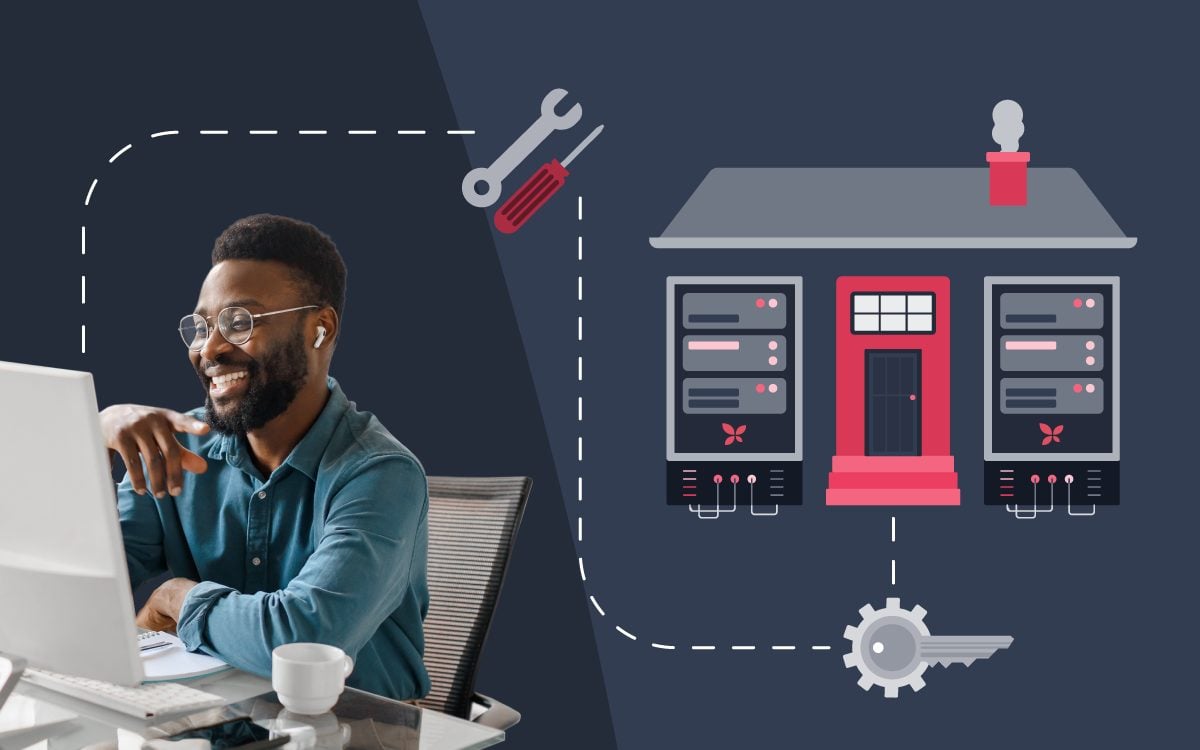
Web hosting is a service that makes your website available on the Internet.
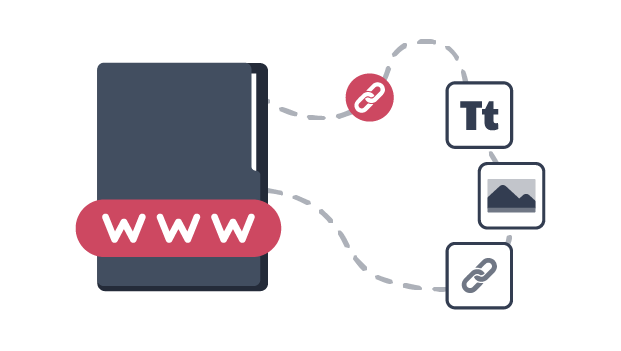
A website is made up of files like text, images, videos, and code, and these files need to be stored somewhere connected to the Internet.

A web hosting provider, like xneelo, provides powerful computers called servers that store these files and delivers them to your website visitors.

These servers are designed to handle website traffic, maintain security, and ensure your website is available 24/7.
How web hosting works: The journey of a website visit
While the technology can seem complicated, the basics of how web hosting delivers your website to visitors are pretty straightforward. Let’s look at what happens in those few seconds after someone types in your website address and watches it appear on their screen.
It may seem instant, but a lot happens behind the scenes in just a few seconds.

The browser acts like a messenger, trying to fetch your website’s content.

The Domain Name System (the internet’s phone book) translates your domain name into an IP address – the numerical address of your website’s hosting server.
Using this IP address, the browser sends a request to the hosting server to deliver your website files.
The server responds by sending back everything needed to load your homepage – HTML files, images, logos, and product info.
As your site loads, the browser pieces everything together like a puzzle. It may make additional requests as users scroll, loading more images or data as needed.
Security features work quietly in the background. SSL certificates encrypt the connection to protect sensitive information, firewalls block suspicious activity, and backup systems help keep your website online.
Making sense of web hosting terms
Web hosting involves technical elements like bandwidth, uptime, server response times, and security protocols that initially seem complicated. However, understanding these terms is key to understanding how web hosting works.
To help simplify this, we’ve put together a handy glossary of essential web hosting terms so you can better understand the technology that powers your website.
Term |
Definition |
|---|---|
|
Domain |
Your unique web address (e.g. yourperfectdomain.co.za) that users type into their browsers to visit your website. |
|
IP Address |
A numerical label is assigned to each server or device on the Internet, allowing them to communicate – your domain points to your website’s IP address. |
|
Traffic |
The amount of data your website can transfer to visitors within a given time. Essential for handling high traffic without extra costs. |
|
Uptime |
The percentage of time your website is online and accessible. Look for 99.9% uptime or higher. |
|
Security |
Protection against cyber threats, including DDoS protection, firewalls, malware scanning, SSL certificates and regular updates. |
|
Server location |
The physical data centre location where your website is hosted. South African hosting ensures faster speeds and compliance with local laws. |
|
Storage (disk space) |
The allocated space for your website’s files, images and databases. Choose a plan with enough storage for your content. |
|
File Transfer Protocol (FTP) |
FTP is a way to upload and download files to your server. |
|
Backups |
Regularly saved copies of your website to prevent data loss. Many providers offer daily or weekly automatic backups. |
|
Scalability |
The ability to upgrade hosting resources as your website grows, ensuring seamless performance during traffic spikes. |
|
Control panel |
A dashboard to easily manage your website’s files, emails, and settings. |
|
Domain Name System (DNS) |
The system that converts your website name into the numerical address computers use to find your website online. |
|
Content Delivery Network (CDN) |
A CDN stores copies of your website on servers worldwide, delivering content faster to users by reducing load times and server strain. |
Types of web hosting
Web hosting comes in several distinct types, each with different resources, levels of control, and technical specifications. The following table outlines the main hosting categories and their typical applications.
Type of web hosting |
What it is |
Best for |
|---|---|---|
|
Shared hosting |
Many websites share the resources of a single server, making this option cost-effective for websites with moderate traffic. |
Small businesses that are just starting, as well as blogs and informational websites. |
|
Virtual private server (VPS) hosting |
VPS hosting divides a single server into multiple virtual servers, giving each website dedicated resources. It’s like having a private office in a shared building – you get your own space while still in a shared environment |
Growing businesses, e-commerce sites with increasing traffic, and websites requiring specific software. |
|
Managed server hosting |
A dedicated server managed by your web hosting provider, offering setup, monitoring, updates, and security. |
Businesses that need high performance without the technical ability to manage the server themselves. |
|
Self-Managed server hosting |
A dedicated server that is managed entirely by yourself. This offers maximum performance, security, and customisation options. |
Large businesses, high-traffic websites, and applications that require significant resources. |
|
Cloud hosting |
Your website runs on a network of connected virtual and physical servers, providing flexible resources that scale with demand. |
Websites with variable traffic, businesses requiring high reliability, and growing online ventures. |
|
Reseller hosting |
Reseller hosting, like xneelo’s Volume Plan, allows you to buy hosting resources in bulk and resell them to your clients. You control the resources, pricing, and branding while benefiting from reliable infrastructure and 24/7 local support. |
Web developers, agencies, and entrepreneurs looking to offer hosting services or start a hosting business. |
Looking for website hosting?
How to choose a web hosting provider
Once you understand how web hosting works, the next step is to choose the right hosting provider for your business. A good hosting provider is essential for your online presence and affects your website’s performance, security and reliability.

Look for reliable providers that offer responsive local support and strong security features.

Make sure they can grow with your business without complicated migrations.

Check if their management tools are user-friendly and if they can optimise performance for your audience’s location.
The right provider should give you the technical support you need to meet your business goals.
Why xneelo is the right choice
We balance technical expertise with a comprehensive understanding of the local market to provide hosting that stores your website and actively supports your business’s success.
- South African support: Our team operates on local time and understands local business needs
- Business-focused solutions: Hosting packages designed specifically for business requirements
- Reliable infrastructure: Our robust network ensures your website remains available to customers
Take your business online with confidence
As a business owner, understanding web hosting basics is essential for making informed choices about your online presence. Hosting serves as your website’s digital home, and selecting the right provider is vital.
Whether launching a new site or enhancing an existing one, the right hosting solution is key to creating an impressive online experience. Prioritising quality and reliability will help your website stand out.
Ready to improve your business website? Contact us today to learn how our hosting solutions can support your success online.